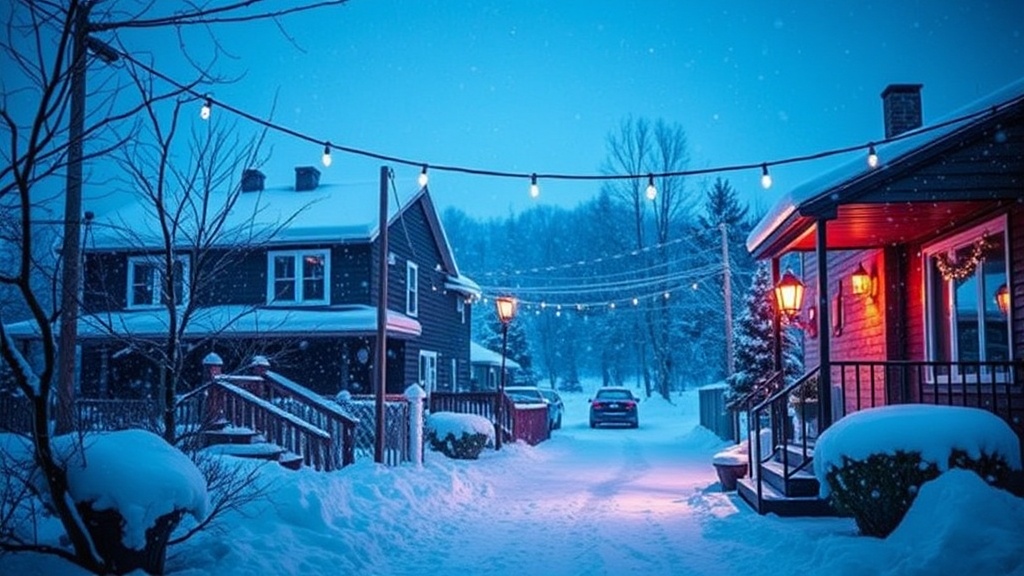
How to Set Up Your Household for Val-d'Or Winter Weather

What You Need to Know About Winterizing Your Val-d'Or Home
This guide covers the practical steps for preparing your residence in Val-d'Or for the heavy snowfalls and extreme cold that define our Abitibi winters. You'll learn how to protect your plumbing, manage your heating systems, and ensure your home remains safe when the temperatures drop well below zero.
Living in Val-d'Or means we don't just endure the winter; we live through it. The transition from autumn to the deep freeze happens quickly here, and being caught off guard can lead to frozen pipes or high heating bills. Whether you live in a newer development near 3e Avenue or an older home in the downtown core, these preparations are non-negotiable for maintaining a comfortable living space.
The first step involves inspecting your exterior. In Val-d'Or, the wind can whip snow against the north-facing walls of your house, creating drifts that block ventilation. Check your vents—specifically your furnace exhaust and dryer vents—to ensure they aren't easily blocked by snow buildup. A blocked vent isn't just a nuisance; it's a safety risk for your family. We've seen many neighbors struggle with this when the heavy snow hits near the Cité de l'Or area.
Where Can I Find Help for Home Repairs in Val-d'Or?
If you realize your windows are drafty or your furnace is acting up, don't wait until the first blizzard. You can often find local handymen or specialized services through the local Val-d'Or business directories. For municipal-related concerns, such as snow clearing near your property or issues with public infrastructure, it's always best to contact the Ville de Val-d'Or directly through their official website: https://www.ville.valdor.qc.ca/. Being proactive with your property maintenance ensures you aren't left in the cold when the temperature hits -30°C.
How Do I Prevent Frozen Pipes in My Val-d'Or House?
Frozen pipes are a common nightmare in our region. To prevent this, you should identify any pipes located in uninsulated areas like basements, garages, or crawl spaces. A few simple steps can save you thousands in repairs:
- Insulate exposed pipes: Use foam sleeves on pipes in less-heated parts of your home.
- Keep the heat consistent: Never turn your heat off completely when leaving Val-d'Or for a few days; keep it at a minimum of 15°C.
- Drip the faucets: During extreme cold snaps, letting a tiny trickle of water through your faucets can keep water moving and prevent freezing.
We've noticed that many older homes in the central neighborhoods of Val-d'Or are more susceptible to these issues because the insulation isn't quite up to modern standards. It's worth taking a walk through your basement this weekend to see where the cold air might be creeping in.
Which Tools Are Necessary for Winter Maintenance?
Having the right gear on hand makes a massive difference in how much stress you feel during a storm. You shouldn't be running to the store on Rue de la Mine when the snow is already falling. Build a kit that includes:
- A heavy-duty snow shovel: Not just for the sidewalk, but for clearing your driveway quickly.
- Ice melt/Salt: Use this carefully on your walkways to prevent slips.
- Flashlight and extra batteries: Power outages can happen during heavy snowstorms in the Abitibi region.
- A reliable thermometer: To monitor both your indoor temperature and the outdoor drop.
Properly maintaining your home isn't just about comfort; it's about being a responsible member of our community. When we all take care of our properties, the whole neighborhood stays safer and more resilient. If you are looking for more information on local municipal regulations or winter services, the Quebec government resources often provide broader context for regional-specific changes in building codes or energy assistance.
Don't forget to check your outdoor faucets. If you have a hose attached, disconnect it and drain the line. Leaving a hose attached is one of the fastest ways to have a burst pipe inside your wall once the Val-d'Or frost sets in. Take the time now to ensure your home is a sanctuary against the elements.