How to Source Fresh, Local Food in Val-d'Or Without Driving to Rouyn
This guide covers where to find fresh, locally sourced food right here in Val-d'Or without making the two-hour trek to Rouyn-Noranda. Living in our corner of Abitibi means we sometimes assume good produce and artisan goods require a road trip — but that's not the case. Whether you're looking for farm-fresh vegetables, locally raised meats, or baked goods from neighborhood kitchens, Val-d'Or has more options than most of us realize.
Why bother with local food in Val-d'Or?
We're sitting in the heart of the Abitibi-Témiscamingue region — surrounded by agricultural land that's been feeding families for generations. When we buy from producers based in and around Val-d'Or, we're keeping money circulating in our community. We're also getting food that hasn't spent days on a truck from Montreal or Toronto.
The climate here is challenging, no doubt. Our growing season is short. But local producers in Val-d'Or have adapted. Greenhouses, cold storage, and seasonal planning mean we have access to fresh food for more months than you might expect. Plus, local meats, dairy, and preserved goods are available year-round if you know where to look.
Where can I find farm-direct produce in Val-d'Or?
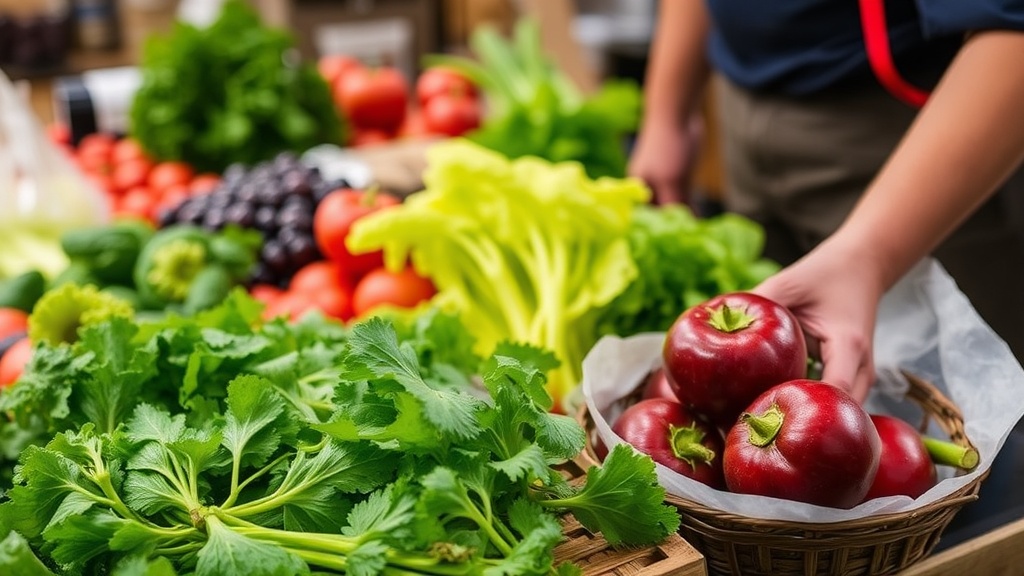
The Marché Public de Val-d'Or is your first stop. Running seasonally (typically June through October) at the corner of 3e Avenue and Rue Roland-Audet, this market brings together growers from within a 100-kilometer radius. You'll find everything from early summer greens to root vegetables that store well into our long winters.
Look for Ferme Bernier from nearby La Morandière — they've been bringing produce to Val-d'Or for over thirty years. Their carrots and potatoes are grown in Abitibi soil and taste like it. Ferme L'Authentique, also regulars at the market, offers heritage vegetables you won't find at the big grocery chains on 3e Avenue.
Outside market season, several farms offer direct sales from their properties. Les Jardins d'Abitibi in nearby Barraute operates a winter CSA (Community Supported Agriculture) program with monthly pickup points in Val-d'Or. You buy a share at the start of the season and collect preserved goods, stored root vegetables, and greenhouse produce throughout the winter months.
What about meat, dairy, and eggs from local producers?
The Abitibi region has a strong livestock tradition. Boucherie L'Abitibienne on Boulevard Mercure sources beef from farms around La Morandière and La Morandière-Rochebaucourt — sometimes from herds you can see grazing along Route 111 on your way to Amos. Ask the butchers what's local that week; they know the farms by name.
For poultry and eggs, Ferme Avicole Abitibi delivers to pickup points in Val-d'Or twice weekly. Their eggs come from free-range hens raised near Rochebaucourt, about forty minutes from downtown. The yolks are deep orange — the kind you can't fake with feed additives.
Dairy is trickier. There are no commercial dairies left in Val-d'Or proper, but Fromagerie La Vache à Maillotte in La Morandière produces cheese from local milk and sells at the Marché Public as well as at select dépanneurs around town. Their fresh cheddar curds are made weekly and squeak properly when you bite them.
Are there year-round options when the farmers' market closes?
Absolutely. Several initiatives in Val-d'Or have solved the winter problem.
Le Panier Bleu — the provincial platform — lists several Val-d'Or producers who offer local pickup or delivery. But more specifically, the Coopérative de solidarité alimentaire de l'Abitibi-Témiscamingue runs a monthly distribution in Val-d'Or called the Marché d'Hiver. Held at the Centre d'amitié autochtone on 4e Rue, this winter market connects local growers with buyers during the off-season. Dates vary, so check their Facebook page or call the Centre.
Les Jardins de la résilience, a community agriculture project based in Val-d'Or's Parc Bérard neighborhood, operates a year-round buying club. Members order online from a curated list of regional producers, and everything is delivered to a central pickup location — often the parking lot near the Bibliothèque municipale on Rue Perreault. The selection changes with the seasons, but you'll find frozen meats, preserves, honey, and fresh greens from hydroponic growers.
How do I connect with local food producers directly?
Word travels fast in Val-d'Or, and the best connections often come through community networks.
Join the Facebook group "Manger local Abitibi-Témiscamingue" — it's active and moderated by people who actually know the farmers. Members post availability, seasonal updates, and occasional surplus sales. Last week, someone posted about fresh maple syrup from a small producer in Val-Senneville, available for pickup near the arena.
The Centre de formation professionnelle de Val-d'Or (on 3e Avenue Est) occasionally hosts agricultural open houses where local producers sell directly to the public. These aren't advertised widely, so follow the CFP Val-d'Or social media accounts or ask at the front desk when the next agri-food event is scheduled.
For foraged goods — mushrooms, berries, wild plants — connecting with local harvesters requires a bit more legwork. The best approach is to ask at Marché Richelieu on 3e Avenue; the staff often know who's bringing in seasonal wild products and can point you toward local pickers.
What should I know about preserving and storing local food?
Given our climate, learning to preserve extends the local food season considerably. Val-d'Or's growing season might be short, but with proper storage techniques, you can eat locally through April.
Root cellaring works well here — our ground freezes solid, which is actually an advantage for storing certain crops. The Bibliothèque municipale de Val-d'Or occasionally offers workshops on northern food preservation, covering everything from lacto-fermentation to proper root storage. Check their program guide or ask at the front desk on Rue Perreault.
Invest in a chest freezer if you have the space. Many local meat producers offer bulk pricing on quarter or half animals, and the savings are substantial compared to buying cuts individually. Boucherie L'Abitibienne can connect you directly with farmers offering bulk beef or pork, processed at their facility on Mercure.
For canning and preserving, the Centre de formation professionnelle sometimes opens its commercial kitchen to community members during harvest season. It's worth calling to ask about access — having a certified kitchen space means you can process larger batches safely.
Can restaurants in Val-d'Or be part of my local food strategy?
Several restaurants in Val-d'Or prioritize local sourcing, though they don't always advertise it. Restaurant La Relève on 3e Avenue works directly with area farmers when seasonally possible — ask your server about the daily specials featuring Abitibi products. Brasserie Belousi, near the arena, has been known to feature local cheeses and meats on their appetizer board.
More directly, some producers sell prepared foods alongside their raw ingredients. At the Marché Public, look for the stand selling tourtières made with locally raised pork — they're made by a family from Val-Senneville and freeze well for quick dinners later.
Le Café de la Rue, the social economy café near the old train station on Rue Perrault, sources from local producers when possible and has connections to the agricultural community. The staff can often tell you who's growing what and when certain products will be available.
How do I start without getting overwhelmed?
Don't try to source everything locally at once. Start with one category — maybe eggs from Ferme Avicole Abitibi, or vegetables from the Marché Public when it opens in June. Build relationships with two or three producers. Over time, you'll learn the rhythms of the local food calendar in Val-d'Or: when the first greens arrive, when root vegetables get harvested, when the last outdoor market happens before snow.
Follow Marché Public de Val-d'Or on social media for opening dates and vendor announcements. Sign up for the Coopérative de solidarité alimentative's newsletter to get winter market dates. And talk to your neighbors — in a town our size, someone always knows someone who raises chickens, keeps bees, or grows more zucchini than they can handle.
Living in Val-d'Or means accepting certain limitations. We're far from major distribution centers. Our winters are long. But we're also surrounded by productive land and people who know how to use it. The local food scene here isn't as visible as in larger cities, but it's active — and growing. We just need to know where to look.