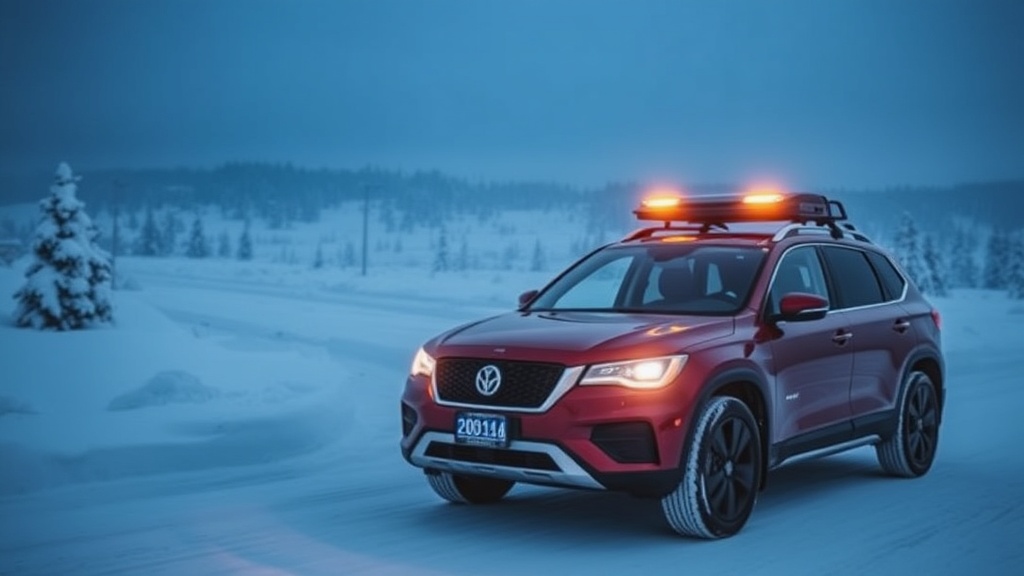
Prepare Your Vehicle for Abitibi Winter Drives

Prepare Your Vehicle for Abitibi Winter Drives
This guide covers the specific mechanical and safety steps required to prepare your vehicle for the extreme cold and heavy snowfall typical of the Abitibi-Témiscamingue region. You'll learn about tire requirements, battery maintenance, fluid selection, and the emergency gear necessary for driving on the Route 117 or through heavy snow in Val-d'Or. Getting these details right prevents breakdowns when temperatures drop below -30°C.
Driving in the Abitibi isn't like driving in Montreal or even Quebec City. The cold is more intense, the stretches of highway are longer, and the snow can be relentless. If you aren't prepared, a simple mechanical hiccup can turn into a dangerous situation on a dark, unlit backroad.
What Kind of Tires Do I Need for Abitibi Winters?
You need dedicated winter tires with a high temperature rating and deep tread patterns to handle both ice and deep snow. While "all-season" tires might work in the fall, they become hard and useless once the thermometer hits freezing. For our region, you really want something that can grip the ice on the hills around town.
Don't settle for anything less than a high-quality winter tire. I've seen people try to get by with "all-weather" tires, but when the frost hits the pavement on a Tuesday morning, you'll regret it. Look for brands like Bridgestone Blizzak or Michelin X-Ice. These are proven to perform when the mercury drops deep into the negatives.
Check the sidewall for the mountain-snowflake symbol. That's the gold standard for winter grip. Also, remember that your tire pressure will drop as the air gets colder—this is physics, not a faulty gauge. Check your pressure every few weeks once the first freeze hits.
Tire Type Comparison
| Tire Type | Performance in Cold | Best Use Case |
|---|---|---|
| All-Season | Poor (hardens in cold) | Mild climates/Summer |
| All-Weather | Moderate | Occasional winter driving |
| Dedicated Winter | Excellent (stays soft) | Abitibi winters/Heavy snow |
How Much Does Winterizing My Car Cost?
A standard winter vehicle preparation typically costs between $200 and $600, depending on whether you need new tires or just a service. This estimate includes a battery test, fluid top-offs, and a basic inspection. If you need to buy a full set of four winter tires, expect to add $600 to $1,200 to that bill.
It's a bit of an upfront hit, but it's much cheaper than a tow truck in the middle of a blizzard. Most local garages in Val-d'Or can do a quick "winter check" to ensure your battery and fluids are up to par. Here is a breakdown of what you should expect to spend:
- Battery Test: $30 - $50 (or free at many shops).
- Oil Change (Synthetic): $80 - $120.
- New Winter Tires: $600 - $1,200 per set.
- Windshield Washer Fluid (Winter Grade): $10 - $20 per jug.
- Emergency Kit: $100 - $250.
Worth noting: if your battery is more than four years old, it's probably time to replace it before the first real frost. A dead battery in a -35°C night is a nightmare you don't want to experience. You can check the SAAQ website for official tire regulations in Quebec to ensure you stay legal.
How Do I Keep My Battery from Dying in the Cold?
Keep your battery warm and ensure it is fully charged by avoiding short trips that don't allow the alternator to replenish the charge. Cold weather is the ultimate test for any lead-acid battery. The chemical reaction slows down, and if your battery is already weak, it simply won't have the strength to turn the engine over.
If you find yourself stuck in the cold, try to avoid idling for too long if you're in a confined space, but don't let the engine die if you're out on a remote road. If you're driving long distances, your car's heater and electronics pull power, which can actually drain a weak battery faster than you'd think.
A quick tip: if you're parked outside, try to point your nose toward the sun if it's a clear day—though in the Abitibi, the sun is a rare treat. More practically, make sure your battery terminals are clean and free of white, crusty corrosion. That stuff blocks the electricity from flowing properly.
What Should I Carry in My Winter Emergency Kit?
Your emergency kit must include a shovel, a bag of sand or salt, a heavy blanket, and a way to charge your phone. You can't rely on cell service being perfect everywhere in the Abitibi, so having physical tools is a necessity. If you get stuck on a side road, you need to be able to help yourself.
Don't just throw a single pair of gloves in the glove box. You need real gear. I always recommend having a dedicated "winter bag" in the trunk. It's better to have it and not need it than to be sitting in a parked car at 11 PM with no way to stay warm.
- Warmth: A heavy wool blanket or a sleeping bag (not just a thin fleece).
- Light: A high-lumen flashlight with extra batteries (avoid using your phone flashlight as much as possible to save battery).
- Traction: A small shovel and a bag of sand or kitty litter for under the tires.
- Food/Hydration: High-calorie snacks like granola bars or chocolate—energy is vital when you're cold.
- Tools: A jumper cable set or a portable jump starter (like a NOCO Boost).
- Safety: A reflective vest so you're visible if you have to step out of the car.
One thing to remember: if you're driving out toward the mining sites or remote areas, your kit needs to be even more substantial. The terrain out there can be unforgiving. If you're planning a trip and need to refuel or grab supplies first, you might want to check out where to grab a quick lunch near the Val-d'Or mining sites to ensure you're fueled up before heading into the more isolated zones.
Also, keep an eye on your washer fluid. If you're using the cheap stuff from a gas station, it might freeze halfway through your windshield, leaving you blind. Get the high-performance stuff that's rated for -40°C. It's a small expense that prevents a massive headache.
Lastly, check your wiper blades. If they're streaking or leaving ice behind, they're done. A clear windshield is your best defense against whiteout conditions. You can find many high-quality replacements at local auto parts stores in town, but don't wait until the first blizzard to find out yours are useless.
It's also worth looking at your heater. If your car's heater feels weak, it might be a sign of a low coolant level or an issue with the heater core. Don't ignore a lukewarm cabin—in our part of the world, that's a safety issue, not just a comfort one.
If you're driving through the town or heading out for a scenic drive, keep your eyes on the road and your heater on high. The way the light hits the snow during a sunset in the Abitibi is beautiful, but it can also create blinding glare. If you're planning a drive to see the views, you might want to look into the best picnic spots for a sunset to ensure you're prepared for the weather once you arrive.
Steps
- 1
Check your battery and fluids
- 2
Pack an emergency winter kit
- 3
Test your heater and defroster
- 4
Stock up on winter tires