
The One Habit That Makes Living in Val-d’Or Feel Effortless Year-Round

Quick Tip
Create a weekly anchor routine with fixed time blocks that shift activities depending on the season.
Tip: Build a simple weekly “anchor routine” that adapts to the seasons instead of fighting them.
People who struggle in Val-d’Or usually have one thing in common: they treat every week the same, no matter the season. That works in Montreal. It doesn’t work here. Up here, the rhythm of life changes with the weather, the light, and frankly, your energy. If you try to force a rigid routine, you burn out in winter and waste summer.
The fix isn’t complicated. You don’t need a full lifestyle overhaul. You need one anchor routine that shifts with the seasons but keeps your week grounded. Once you dial this in, everything else—work, social life, even mood—gets easier.

What an “Anchor Routine” Actually Means
This isn’t a productivity hack. It’s a structure that keeps your week predictable without being rigid.
Think of it like this:
- Same time blocks every week
- Different activities depending on the season
- Non-negotiable personal reset time
For example, if Wednesday evenings are your “out of the house” slot, that stays constant year-round. What changes is what you do with it.
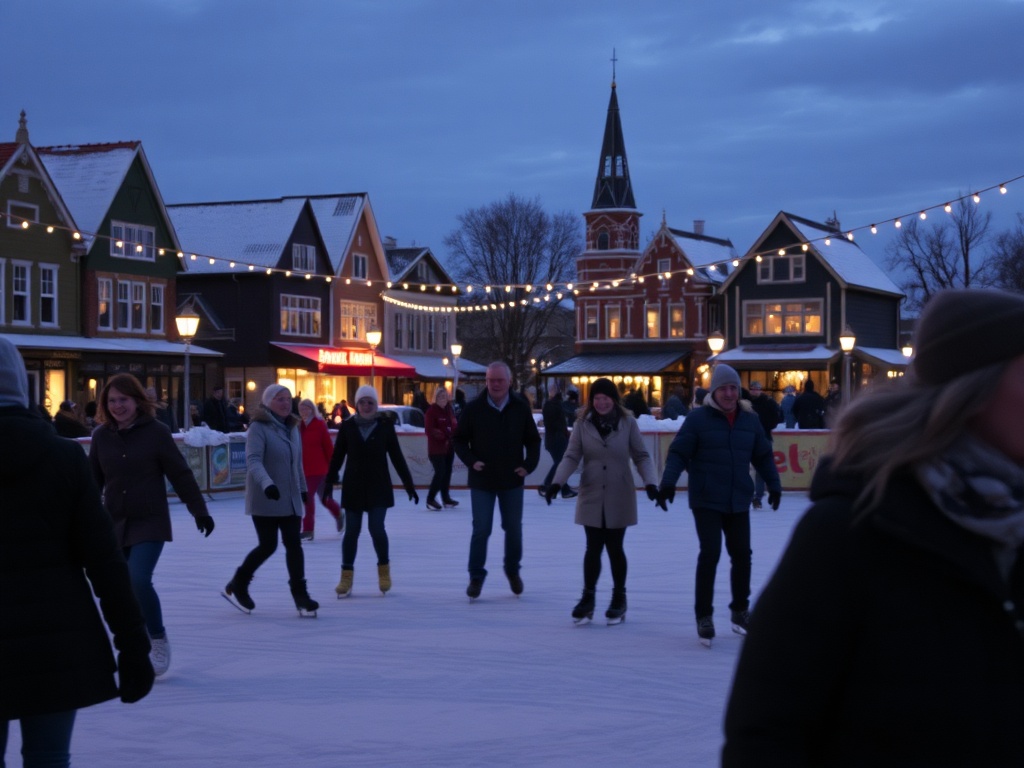
Winter Version: Survive Without Hibernating
Winter is where most people lose momentum. It’s dark, it’s cold, and everything feels like more effort than it should.
Your anchor routine should fight that—but realistically.
Here’s what works locally:
- One outdoor activity per week (skating, short forest walk, snowshoeing)
- One social touchpoint (coffee, casual dinner, not a big night out)
- One comfort ritual (same meal, same show, same time)
The mistake people make is aiming too high. You don’t need to “embrace winter” like a tourism ad. You just need to not disappear for four months.

Spring Reset: Don’t Waste the Transition
Spring in Abitibi is messy. Slush, mud, unpredictable weather. But it’s also when your energy comes back fast.
This is where your routine shifts slightly:
- Swap one indoor block for errand + walk combos
- Start a small project (garage clean, balcony setup)
- Extend one evening block by 30–60 minutes
Spring isn’t about doing more. It’s about reactivating your habits before summer hits full speed.

Summer Mode: Use It or Lose It
Summer in Val-d’Or is short and addictive. The trap is overcommitting and ending up exhausted by July.
Your anchor routine keeps things balanced:
- Keep one quiet night per week (non-negotiable)
- Stack outdoor time into longer but fewer blocks
- Prioritize local experiences over constant driving
You don’t need to say yes to everything. The best summers here are the ones that feel full, not frantic.
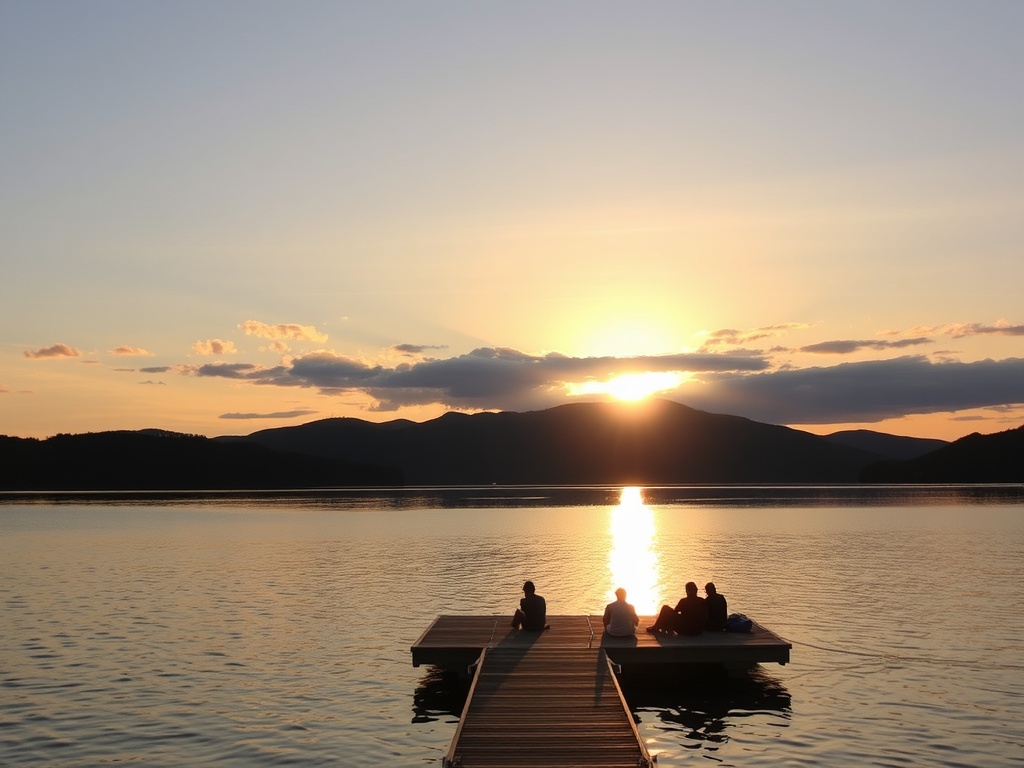
Fall: Lock It Back In Before It Slips
Fall is the easiest season to waste. It feels productive, but it disappears quickly.
This is where your routine becomes more structured again:
- Reintroduce fixed weekday evenings
- Reduce spontaneous plans by ~30%
- Set one weekly planning block
If you skip this step, winter hits and you’re back to reacting instead of choosing.
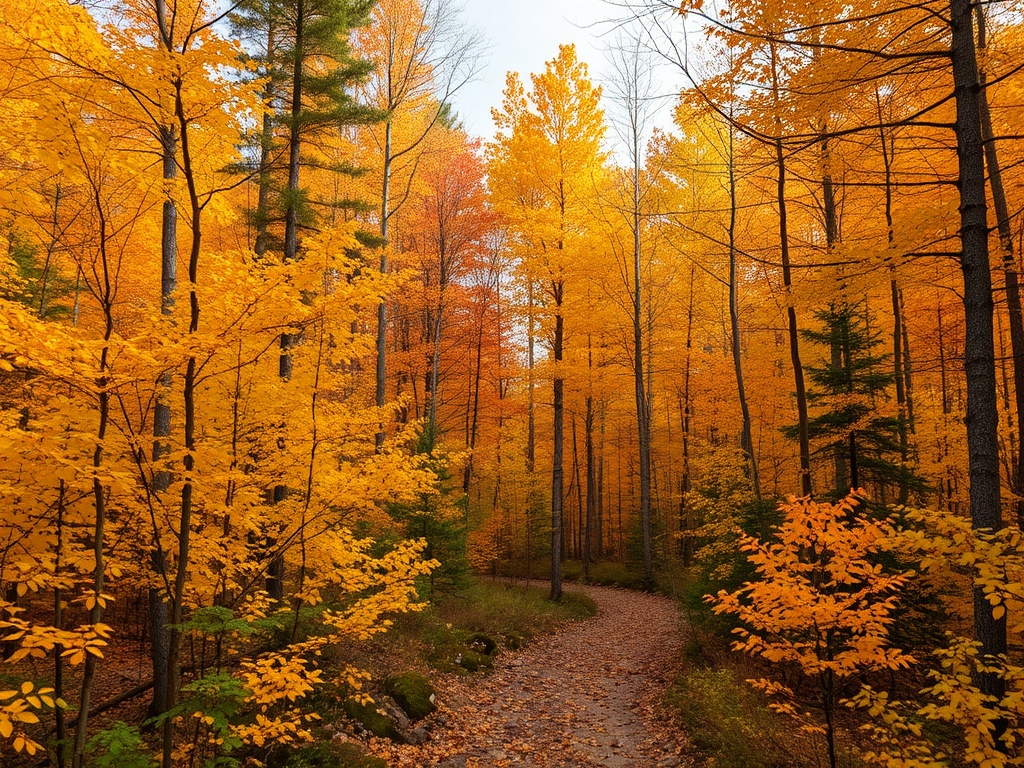
Why This Works (Especially Here)
Val-d’Or isn’t a city where you can rely on constant stimulation. That’s a good thing—if you use it right.
An anchor routine:
- Removes decision fatigue
- Keeps your social life alive without effort
- Prevents seasonal burnout
- Makes the most of what each season actually offers
Most importantly, it gives you control. Not in a rigid, productivity-obsessed way—but in a grounded, local way that actually fits life here.
The Bottom Line
You don’t need a complicated system to live well in Val-d’Or. You need one reliable structure that adapts as the town changes around you.
Pick your time blocks. Adjust the activities. Stick with it for a month. You’ll feel the difference faster than you expect.